
The double marker test or dual marker blood test is normally performed between the 11th and 14th week of the first trimester. It screens for chromosomal abnormalities in the growing fetus. The double marker test proves to be one of the most important tests during pregnancy. We provide expert services for double marker test. We will help you understand the importance of this test and tell you how it supports the health of both the mother and the baby. This test is one of the best advanced prenatal screenings. Our aim is to help you navigate through one of the key tests during pregnancy. And to ease your mind and empower you with knowledge.
This test screens for chromosomal abnormalities in the growing fetus. It focuses on two specific markers in the mother’s blood:
It’s a hormone produced during pregnancy. Abnormal levels can indicate potential chromosomal issues.
It’s a protein produced by the placenta. Low levels of PAPP-A can be related to chromosomal abnormalities such as Down syndrome.
Blood levels of these markers are interpreted along with scan results and maternal age. The results are given as a risk ratio.
Causes intellectual disabilities and distinct physical features.
Leads to developmental delays and serious health complications.
A rare disorder causing severe physical and intellectual challenges.
If high risk is observed, your doctor may recommend further tests like NIPT or invasive procedures for confirmation.
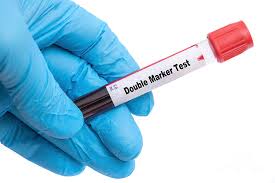
The levels of Free Beta hCG and PAPP-A can fluctuate for many reasons. These changes reflect the health and development of the fetus and placenta.
The double marker test helps in early identification of chromosomal abnormalities and supports better decision-making during pregnancy.
Here’s why it matters:
Helps identify chromosomal risks early so parents can plan further testing or care.
This is a simple blood test and does not pose any risk to the mother or baby.
High-risk results may lead to further diagnostic tests for confirmation.
Peace of Mind for Parents:
A low-risk result provides reassurance and helps parents enjoy the pregnancy with confidence.
The double marker test is recommended for all expecting mothers. However, it is especially important for:
Consulting your doctor is an important step in ensuring a healthy pregnancy.

The double marker test is performed between the 11th and 14th weeks of pregnancy. This time frame allows accurate measurement of markers. Your doctor may also recommend an NT scan along with this test for a complete risk assessment.
Book An AppointmentThe dual marker blood test is a simple procedure. Here’s how it works:
This process is quick and non-invasive. It requires no special preparation and can be done during routine prenatal visits.
A number of studies have shown the efficacy of the double marker test in early pregnancy screening:
Accuracy Rates: When combined with NT scan, the double marker test can detect up to 85% of chromosomal abnormalities in the first trimester.
The double marker test focuses on two specific markers in the mother’s blood, whereas other screenings, like the triple or quad marker tests, assess additional markers. The double marker test is conducted earlier in pregnancy.
No, the test is not mandatory but is highly recommended for pregnant women.
The test is a simple procedure and requires a blood sample to be taken from the mother and poses no risk to the mother or baby.
No, the test primarily screens for chromosomal abnormalities like Down syndrome. Other genetic conditions may require separate tests.
Speak with your doctor immediately. They may suggest additional diagnostic tests like amniocentesis or CVS for confirmation.
No, fasting is not required for the dual marker blood test.
Results are typically available within a few days.
The test does not predict birth defects but assesses the risk of chromosomal abnormalities.
Discussing the double marker test cost with your healthcare provider will help you in better planning. The dual marker test price typically ranges from INR 1500 to INR 2000.