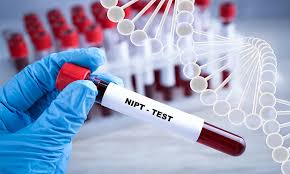
NIPT is a genetic screening tool. NIPT blood test can be performed starting from the 10th week of pregnancy. This test screens the genetic material collected from mother’s blood. Tiny pieces of DNA from the placenta (known as cell-free fetal DNA, or cffDNA) enter the mother’s blood, during pregnancy and provide genetic information about the fetus. Hence, it can be used for further testing. Unlike other invasive tests like amniocentesis, the NIPT blood test only needs a simple blood sample from the mother. This makes it a safer and easier choice.
NIPT (Non-Invasive Prenatal Testing) is a genetic screening test done from the 10th week of pregnancy. It analyzes small fragments of fetal DNA present in the mother’s blood to assess the risk of certain genetic conditions. Unlike invasive tests, it requires only a simple blood sample, making it safe and convenient.
Honest guidance, clear counselling, no unnecessary testing advised.
Advanced technology with evidence-based, specialist-reviewed accurate reports.
Emotional, medical, and lifestyle support throughout pregnancy journey.
We offer both Basic and Advanced NIPT tests to suit different clinical needs. The Basic NIPT screens for common chromosomal conditions such as Trisomy 21 (Down syndrome), Trisomy 18, and Trisomy 13.
The Advanced NIPT includes screening for additional chromosomal abnormalities, sex chromosome variations, and selected microdeletion syndromes. During counselling, our specialists help you choose the most appropriate test based on your medical history and risk factors.
The NIPT test cost typically ranges between INR 9,000 to INR 15,000, depending on whether you choose the Basic or Advanced panel.
We keep pricing affordable without compromising quality or accuracy. Our team provides transparent cost details during consultation so families can make informed decisions confidently.
We’ve seen a big change in how prenatal care is being approached in recent years. Nowadays, more expectant parents are choosing NIPT testing.
Parents today are more aware and proactive about early screening.
With increasing maternal age, demand for reliable screening is growing.
NIPT provides clarity, reducing stress and increasing confidence.
Advanced tests are now accessible beyond metro cities.
Early insights help families prepare emotionally and medically.
The NIPT test can be beneficial for any pregnancy, but it is especially useful in the following cases:
We provide personalised risk evaluation during pre-test counselling to determine if NIPT is right for you.
NIPT can be performed as early as 10 weeks of pregnancy, when enough fetal DNA is present in the mother’s blood. The ideal window is between 10 and 13 weeks.
NIPT can also be done later in pregnancy, making it a flexible option even in the second or third trimester.
Traditional tests like amniocentesis and CVS are invasive and carry some risk. NIPT, on the other hand, is a simple blood test that is completely safe for both mother and baby.
99% detection rate for Trisomy 21, 18, and 13, with high accuracy for sex chromosome conditions.
Affordable and reliable, helping parents avoid stress from invasive procedures.
Reports are typically available within 7–10 days, faster than traditional methods.
No recovery time needed—you can continue normal activities immediately.
Understanding fetal DNA, test types, and available options.
A small 10 ml blood sample is taken—quick and non-invasive.
The sample is processed in a specialized lab for screening.
Results are shared as low-risk or high-risk, with expert guidance.
NIPT is highly reliable and uses advanced technology for accurate screening. However, certain factors can influence the results:

No, fasting or any other dietary restrictions are not required before NIPT.
NIPT cost can range between INR 9,000 to 15,000.
The test will be repeated. Blood will be resampled after 1–2 weeks.
A high-risk report means there is a high chance for the baby to have a chromosomal abnormality. Additional tests like amniocentesis or CVS will be needed to confirm the risk.
Yes! It’s equally effective for natural and IVF conceptions.
No, the sex determination of a fetus is illegal and punishable under the PCPNDT act.
Insurance coverage for Non-Invasive Prenatal Testing (NIPT) varies depending on the specific insurance policy and provider.